The best shortlist starts with the life you want
Most golf-property searches begin with a handful of saved listings. A fairway view catches the eye, a resort name feels familiar, a villa looks right for family holidays, and suddenly the search has become a collection of appealing but very different homes.
That is a natural way to begin, but it is rarely the best way to decide. A lock-up-and-leave apartment, a serviced resort home and a private villa may all sit near good golf, yet each one suits a different pattern of ownership. If they are placed on the same shortlist too early, the viewing trip becomes a comparison of impressions rather than a test of fit.
The more useful question is not simply which property looks best. It is which home fits the way you will actually use it. Will this be for short golf breaks, longer seasonal stays, family holidays, remote working, eventual retirement, or a mixture of all of these? Once that question is answered honestly, the shortlist becomes shorter, sharper and much easier to view.
Define how you will use the home before comparing listings
Before comparing floor plans or resort names, write down how the home needs to work across a normal year.
Start with the rhythm of use. Two or three golf weeks each year creates a different brief from regular long weekends, extended winter stays or several months split between spring and autumn. Frequency changes the importance of airport access, maintenance support, storage, community life and year-round services.
Then look at who will use the property. A couple who play most mornings may prioritise convenience to courses, easy restaurants and a low-maintenance setting. A family may need guest bedrooms, outdoor space, a pool, beaches, schools or activities beyond golf. If remote work is part of the plan, a quiet study area, reliable connectivity and everyday services become more than nice-to-have details.
Property type should follow that lifestyle brief. Apartments and townhouses in managed communities can work well for buyers who want a simpler lock-up-and-leave base. Resort homes may suit those who value services and facilities close at hand. Villas usually offer more space, privacy and outdoor living, but they often come with greater maintenance and management needs when owners are away.
If occasional letting is part of the thinking, treat it as an early due-diligence question rather than a reason to buy. Local rules, community regulations and ownership structures vary, and they can change. A local lawyer and the relevant community or management body should confirm what is possible before any income assumption influences the shortlist.
Choose the golf setting, not just the course
A well-known course name can be useful context, but it should not carry the whole decision. The better question is how the property relates to the golf lifestyle you actually want.
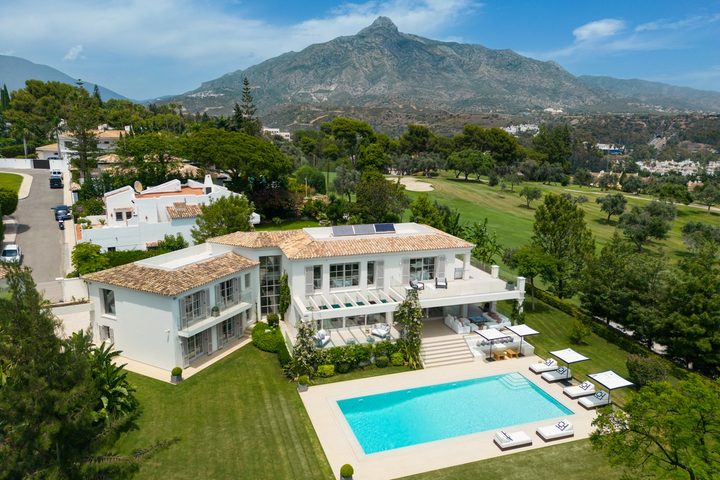
Frontline golf can be highly appealing. Open outlooks, green space and the sense of living beside the course are all part of its attraction. For some buyers, that position is worth the premium. For others, the practical realities matter more: proximity to play, course maintenance, passing golfers on certain holes and the balance between view, privacy and quiet.
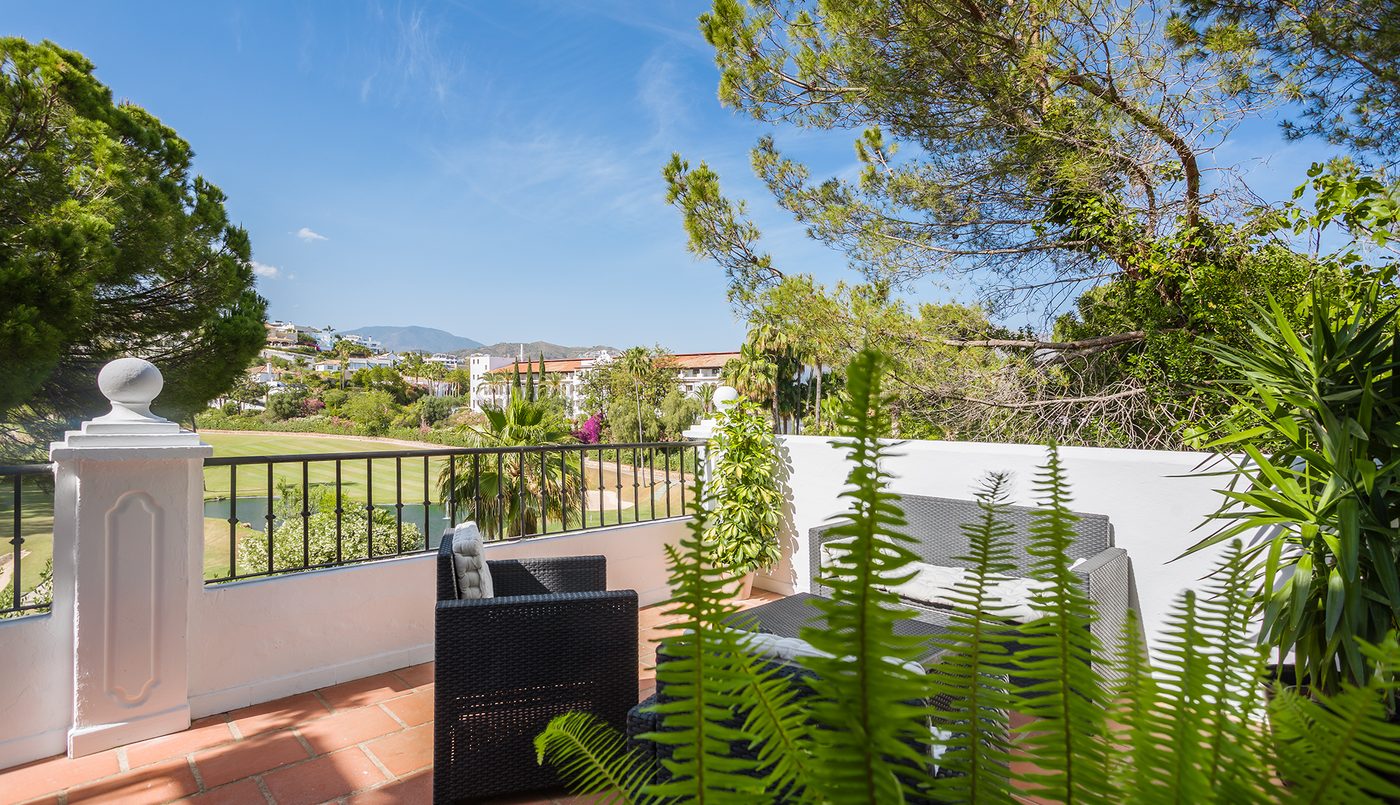
A home near several courses can be the stronger choice if variety, space or privacy matter more than direct fairway position. In established golf areas of Spain and Portugal, including parts of the Costa del Sol and the Algarve, some buyers prefer being a short drive from several clubs rather than tied to one resort setting.
The key is to separate setting from rights. Owning near a course does not automatically include membership, playing rights, preferential tee times or club privileges. These arrangements vary by club and by property, and they should be checked directly and in writing before they influence a buying decision.
Compare the life around the property
Once the golf setting is understood, the shortlist becomes a comparison of places as much as properties.
Think about an ordinary week. Where will you buy groceries, go for dinner, walk when you are not playing, meet friends, see a doctor or spend time with visiting family? How lively is the area outside peak season? How far is the nearest town, beach or marina if those are part of the lifestyle you want?
This is where two homes with similar specifications can feel completely different. One may sit in a sociable community with restaurants and services nearby. Another may offer greater privacy, larger outdoor space and a quieter setting, but require a car for almost everything. Neither is automatically better. The right answer depends on how you want your days to feel.
Travel should also be part of the comparison. Flight routes from your home city, airport transfer time and the final drive all affect how often you will realistically use the property. A home that looks marginally stronger on paper can become less appealing if the journey makes shorter visits difficult.
Filter by ownership reality
A good shortlist also deals with the practical side of ownership before emotions take over.
For each property, ask for a clear picture of recurring commitments. Community fees, what those fees cover, pool and garden maintenance, utilities, insurance, management support and resort or service charges can all affect the true cost of holding the home. The question is not only whether the property can be bought, but whether it can be owned comfortably in the way you intend to use it.
Maintenance matters especially for international buyers. A villa with generous gardens and private outdoor space may be ideal for long stays, but it needs reliable care when empty. A managed apartment may offer less private space, but may also reduce the burden between visits. These trade-offs should be visible in the shortlist, not discovered after a favourite has emerged.
Legal, tax and residency questions should be handled with independent professional advice in the relevant country. They are too personal, and too important, to resolve through general guidance or sales conversations. The right advice early in the process can remove unsuitable options before viewing time is spent on them.
Resale logic is worth considering too. Homes in established communities, with a clear lifestyle proposition and an easy-to-understand buyer appeal, may offer more flexibility in future than highly specific properties with a narrower audience. That does not mean buying for resale instead of lifestyle. It means making sure the lifestyle choice is also easy to explain.
- Lifestyle fit
- How often the buyer will visit, who will use the home, whether they need family space, work space, privacy or a simpler lock-up-and-leave base.
- Golf relationship
- Whether the right fit is frontline golf, near-golf convenience, a managed resort setting or a wider area with several courses nearby.
- Ownership reality
- How recurring costs, maintenance, management support, community rules, letting checks and future flexibility affect the shortlist.
Make viewings count
The best viewing trips are built around comparison, not volume. A tight group of genuinely comparable homes will teach you more than a long list of properties that answer different briefs.
Try grouping viewings by lifestyle type. Compare lock-up-and-leave apartments with other lock-up-and-leave apartments. Compare family villas with similar family villas. Compare resort homes with homes that offer a similar service-led ownership style. This gives each viewing a clear purpose and helps prevent one attractive but unsuitable property from distorting the whole trip.
A simple scoring approach can help keep the decision practical. Before travelling, agree the criteria that matter most and use them after every viewing:
- Use fit: does the layout suit how you will spend real days there?
- Golf setting: does the relationship to nearby golf match what you want, with any club arrangements properly checked?
- Everyday life: are restaurants, services, beaches, towns or family needs within a distance that works for you?
- Travel pattern: is the journey realistic for the number and length of visits you expect?
- Ownership load: are running costs, maintenance and management needs comfortable?
- Flexibility: would the home still work if your pattern of use changed in five years?
Score immediately after each viewing, while the details are fresh. If a property is beautiful but fails the brief, remove it. That is not a compromise. It is the shortlist doing its job.
The GHI view
Golf Homes International helps buyers shape that brief before the viewing trip begins. Tell us how you want to use the home, where you are considering and what matters most day to day, and we can help build a focused shortlist across Spain, Portugal and other golf-property markets that fits your lifestyle, budget, travel pattern and priorities.
FAQ
How do I choose the right golf property?
Start with how you will use the home. Consider visit frequency, seasonality, family use, golf habits, remote-working needs and how much maintenance you are comfortable with. Those answers should shape the property type, location and golf setting before you compare individual listings.
What should I check before buying a golf home abroad?
Check recurring costs, community fees, maintenance arrangements, management support, local rules, any letting restrictions and what is actually included in relation to nearby golf. Take independent legal and tax advice in the relevant country before committing.
Is frontline golf always better?
No. Frontline golf can offer attractive outlooks and a strong sense of place, but it may also come with practical considerations such as proximity to play and course maintenance. Some buyers prefer being close to several courses, with more privacy, space or budget flexibility.
How many properties should I shortlist?
Keep the shortlist tight enough to compare properly. A smaller group of homes that answer the same lifestyle brief is usually more useful than a long list covering different property types, locations and ownership styles.
Does buying near a golf course include membership or tee times?
Not automatically. Membership, playing rights, booking arrangements and any club privileges vary by course, club and property. Ask what is included, on what terms and for how long, and get the answer in writing before relying on it.
How do I compare golf resorts and golf communities?
Compare the whole lifestyle, not only the course or property specification. Look at services, restaurants, year-round activity, walkability, maintenance standards, distance to towns and beaches, community rules, fees and how the ownership experience will work when you are not there.